Albany,
Georgia
Food Sovereignty
A 73% Black city with a 29.4% poverty rate and confirmed food desert status. FarmBlock Tier 1 target. Southwest Georgia. Dougherty County. Albany State University (HBCU on-site). One of highest poverty rates among Black-majority mid-size...
📊 E5 FarmBlock Data Profile
The Numbers Behind Albany
E5 Enclave's proprietary Food Desert Index (FDI) scores cities across eight dimensions of food insecurity and community disinvestment. Albany, Georgia ranks #5 among 800 cities studied — Tier 1 priority requiring sovereign food infrastructure investment.
Black Population
73%
U.S. Census ACS 5-Year, 2022
Poverty Rate
29.4%
vs. 11.5% national average
Food Desert
Active
USDA Food Access Research Atlas
Redlining Legacy
Confirmed
NCRC Historical Grading Maps
HBCU Proximity
On-site
Nearest HBCU anchor institution
Median HH Income
$31,200
U.S. Census ACS 2022
Southwest Georgia. Dougherty County. Albany State University (HBCU on-site). One of highest poverty rates among Black-majority mid-size cities. COVID hit hard.
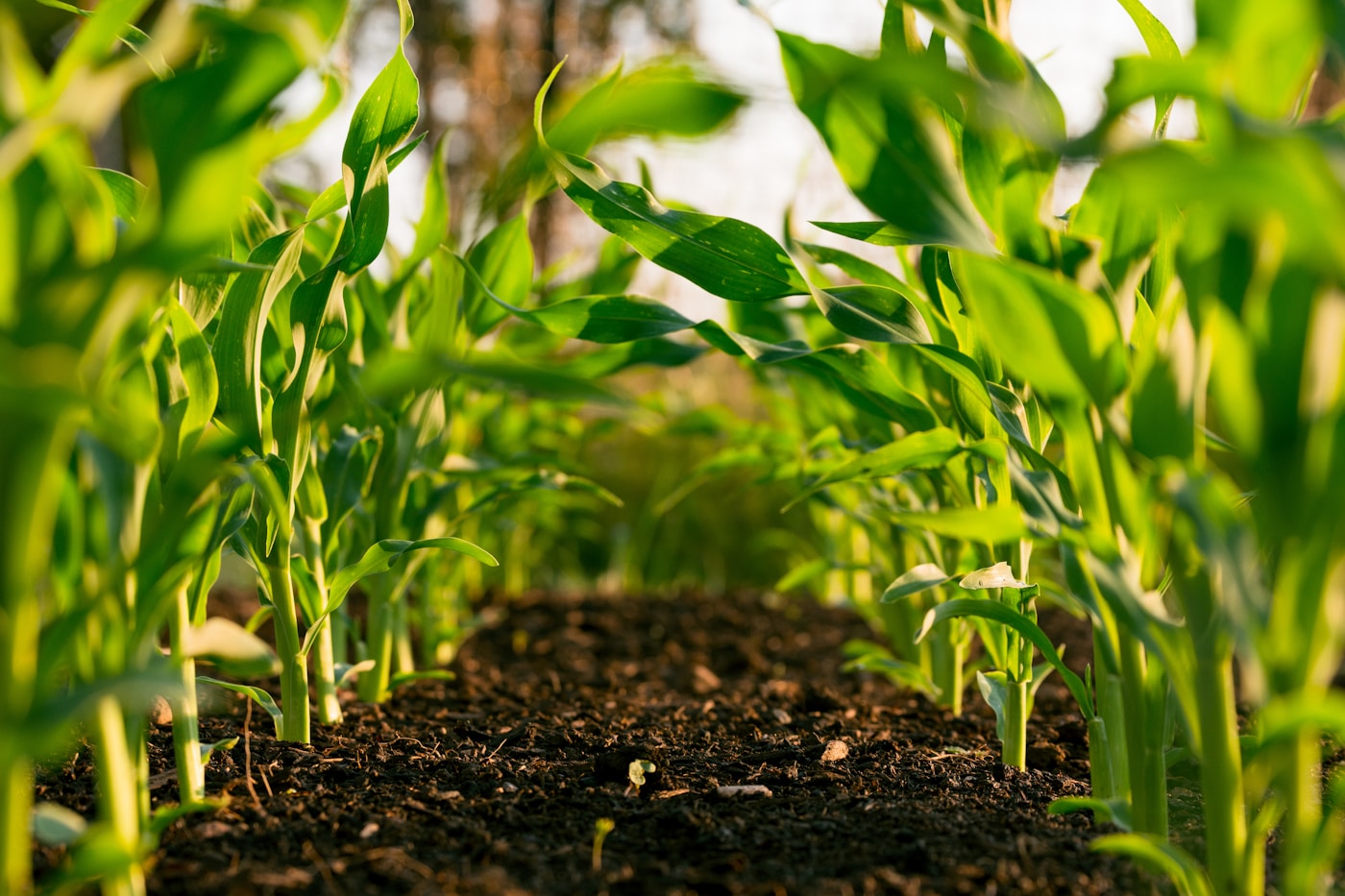
FarmBlock deploys sovereign food infrastructure at HBCU anchors, churches, and community centers — the harvest stays in the community first.
🌱 The FarmBlock Model
Sovereign Food. Community First.
FarmBlock is not a charity food program. It is a sovereign infrastructure initiative — placing Black community members in ownership and control of the food systems serving their neighborhoods. The model deploys modular urban agriculture infrastructure at existing anchor institutions: historically Black churches, HBCUs, and community centers.
In Albany, the FarmBlock model is designed to activate existing anchor institutions as the foundation for a permanent, self-governing food network. Produce grown is distributed within the community first — never exported until local food security is established. The program focus is food sovereignty, urban agriculture, and economic justice.
FarmBlock installations generate community employment, reduce food insecurity, and build generational wealth through cooperative ownership. The model is replicable, scalable, and owned by the community it serves.
❓ Frequently Asked Questions
Questions About Albany
Albany meets USDA Food Access Research Atlas criteria for food desert designation. With 73% Black population and 29.4% poverty rate, the community faces compounding barriers to healthy food access. Southwest Georgia. Dougherty County. Albany State University (HBCU on-site). One of highest poverty rates among Black-majority mid-size cities. COVID hit hard.
FarmBlock, an initiative of E5 Enclave Incorporated, identifies Albany as a Tier 1 priority city for sovereign urban agriculture. The model deploys community-controlled infrastructure at anchor institutions with cooperative community ownership.
Albany carries a 29.4% poverty rate (U.S. Census ACS 5-Year Estimates, 2022), compared to the national average of 11.5%.
E5 Enclave accepts tax-deductible donations supporting FarmBlock. Visit e5enclave.com/donate to designate your gift. Community organizations in Albany interested in hosting a FarmBlock installation may contact us at accounts@e5enclave.com.
Stand with Albany
FarmBlock is building sovereign food infrastructure in Albany and 49 other priority communities. Every dollar goes directly to food access and community ownership.
Support FarmBlock →